

The Premier League standings are one of the most viewed tables in world football. Fans check it before games, after games, and during big moments in the season. The table tells the full story of how clubs are performing and what their chances look like as the campaign progresses.
This guide breaks the standings down in a simple and clear way so every fan understands how the league table works and why it changes so often.
How the Premier League Standings Work
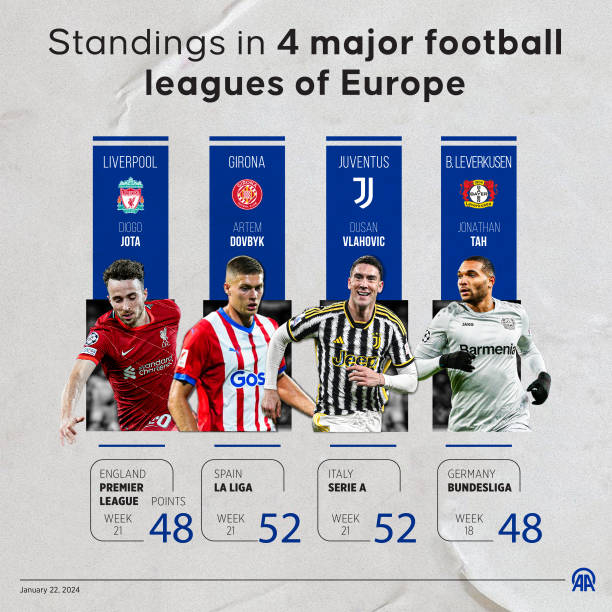
The standings follow a point system. Teams earn points after each match, and these points determine their position on the table.
Here is the simple breakdown:
- A win gives a team 3 points
- A draw gives a team 1 point
- A loss gives a team 0 points
At the end of each matchweek, the table updates automatically. Clubs move up or down based on both their own results and the outcomes of other games.
Key Metrics You See in the Table
Every Premier League table comes with a few important data columns. These numbers help fans understand more than simple wins or losses.
The most common metrics include:
- Matches played
- Wins
- Draws
- Losses
- Points
- Goals scored
- Goals conceded
- Goal difference
- Recent form
Goal difference is important because it often separates teams that finish on the same number of points. A team with a stronger goal difference will stay above the other side.
Why the Standings Change Often
The Premier League is known for its fast pace and weekly drama. The standings can shift multiple times within a few days based on several factors.
Some of the biggest reasons include:
- Fixture difficulty
- Player injuries and suspensions
- Heavy schedules during busy periods
- Tactical adjustments
- Momentum swings based on confidence or poor runs
These elements make the table feel alive from the first matchweek to the final day of the season.
How Fans Interpret the Standings
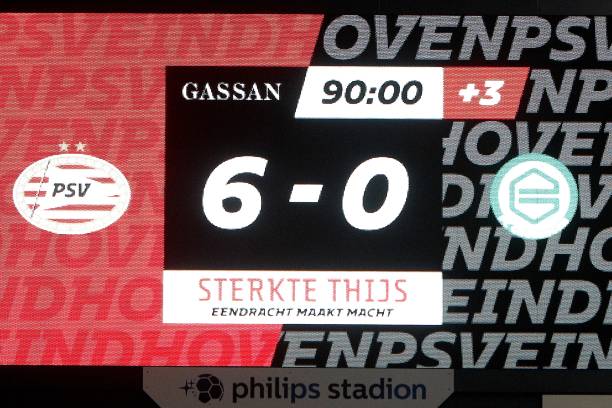
Fans use the table to understand the bigger picture of the league.
Here are the main things supporters look out for:
- Title race
- Top four chase and Champions League qualification
- Europa League and Conference League spots
- Relegation battle
- Mid-table security
The tension increases as the season moves closer to the finish. Every point becomes valuable, especially for teams fighting for survival or teams pushing for European qualification.
Team Performance Trends You Can Spot
The standings also reveal performance patterns. Clubs do not move at random. Their progress is shaped by form, confidence, and consistency.
Common trends include:
- Rapid climbs after a good run of victories
- Sharp drops caused by long winless streaks
- Steady progress from clubs with strong defensive records
- Slow decline from teams that concede too many goals
Fans who pay close attention to these patterns can predict how a team might perform in future games.
How Clubs Use Standings to Plan Strategy
Football clubs track the standings closely because the table influences their decisions throughout the season.
Some practical uses include:
- Squad rotation during busy schedules
- Transfer market planning
- Setting short-term and long-term goals
- Adjusting tactics based on competition level around them
A team outside the top four may push harder for a strong finish. A club close to the relegation zone may switch tactics to protect points.
Tools Fans Use to Track Premier League Standings
Several platforms update the standings in real time, giving fans instant access to results and table movements.
Popular options include:
- SportConn
- Livescore websites
- Football news platforms
- Official Premier League channels
- AI powered sports apps that offer predictions and analytics
These tools allow fans to follow the table during live games and stay informed about changes as they happen.
FAQs About Premier League Standings
After every match is completed.
Goals scored minus goals conceded.
Goal difference comes first. Goals scored comes next. Head-to-head records may be used if needed.
Three teams drop to the Championship each season
Usually the top five or six, depending on domestic and continental results.